


The other day in our Cycle Moles Camp while doing indoor cycling training, we were talking about heart rate recovery and what it means for over all heart health. But before we get to that discussion, let’s think a minute about our heart.
I help lots of people get in shape through building lean muscle and getting cardio fit. Many of us workout to train a specific part of our body – we want lean muscular arms, a firmer hiney, and six-pack abs, right? We want strength and endurance to do the activities we love.
But many of us forget to look on the inside at the most important muscle of all: your heart. It is an amazing machine and unlike any of the muscles we see in the mirror, it never gets a break. Your heart keeps going and going, day and night.
Your heart does the important job of delivering oxygen rich blood to your body and sending the oxygen depleted blood to your lungs to get replenished. As you exercise, your heart exercises too by working harder to meet the demands of your body.
Now, let’s get back to that question about heart rate recovery.
One of the simplest measuring sticks of heart health is how quickly your heart rate falls in one minute after peak exercise (another good measuring stick is resting heart rate – look for a blog post on that next week).
The healthier your heart, the faster your heart rate will fall.
How to find your 1 minute heart rate recovery:
**Only do exercise that is approved by your doctor**
This is easiest if you are wearing a heart rate monitor. If you do not have one, take a 15 second count of your pulse with your index finger to your wrist or carotid artery in your neck – then multiply this 15 second heart rate count by 4 to get your Beats Per Minute (BPM). Do not measure your pulse with your thumb as it has its own beat.
We’ll use the method from the Heart Zones(tm) Training Manual.
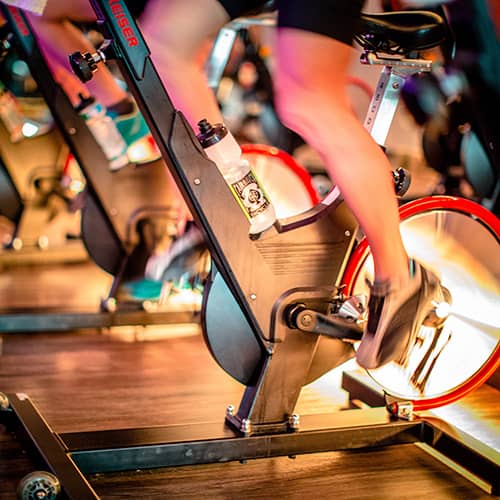
Step 1 Find (A) Your Peak Heart Rate: Do any vigorous and acceptable physical movement that raises heart rate for 1 minute. Measure your heart rate (in beats per minute) at the end of your exercise interval. This is like when we do a Zone 4 interval in Cycle Moles indoor cycling. Or you can do some fast moving high knee stepping and/or jumping jacks.
Step 2 Find (B) Your 1 Minute Heart Rate: Immediately assume a comfortable position for the next 1 minute rest. Measure the final heart rate number (B) at the end of this 1 minute rest.
Step 3 Find (C) Your Recovery Heart Rate: Subtract (B) the 1 minute recovery heart rate from your peak heart rate (A) to calculate your recover heart rate.
(A) – (B) = (C)
Peak Exercise Heart Rate (A) = ____________
-subract your -
1 Minute Heart Rate (B) = _____________
equals
Recovery Heart Rate (C) = ______________
Now, you have your Recovery Heart Rate, what does it mean?
According to the Heart Zones(tm) manual, your Recovery Heart Rate (in box “C” above) is rated for fitness:
- <10 = extreme caution
- 11-20 = Low
- 21-40 = Good
- 41-50 = Excellent
- 50 = Fit Athlete
It is a good idea to consult a doctor if your heart rate recovery is below 10 BPM.
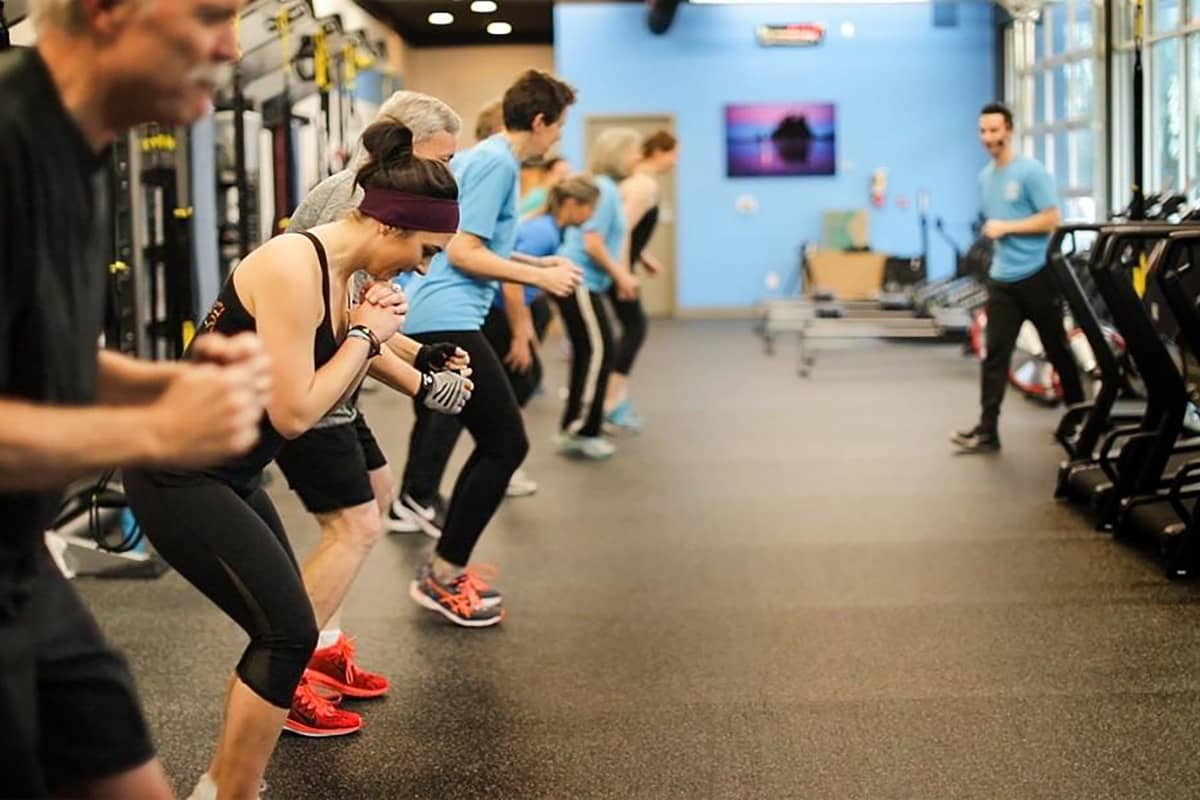
The way to improve heart rate recovery is through interval training. Depending on your goals and your fitness level, the types of intervals and intensity of training will vary.
This is precisely the kind of work we do in the Cycle Moles Training Camps with indoor cycling (spinning). We have different levels of intensity for spinning based on your fitness levels. And we always start with a Heart Rate Threshold Assessment so that we can create your heart rate training zones.
Heart rate threshold is unique for each person. No one subscribes any more to “220 minus your age” (which, by the way, I read that method was actually created on an airplane ride by 2 cardiologists trying to create a cause and effect relationship between data they had on their patients – it was never meant to be set as a standard). Your heart rate threshold will vary with your level of fitness. And that, my friends, is a whole ‘nother blog post to come.
Committed to your Good Health,
Robin Robertson
Cycle Moles CEM (Chief Executive Mole)